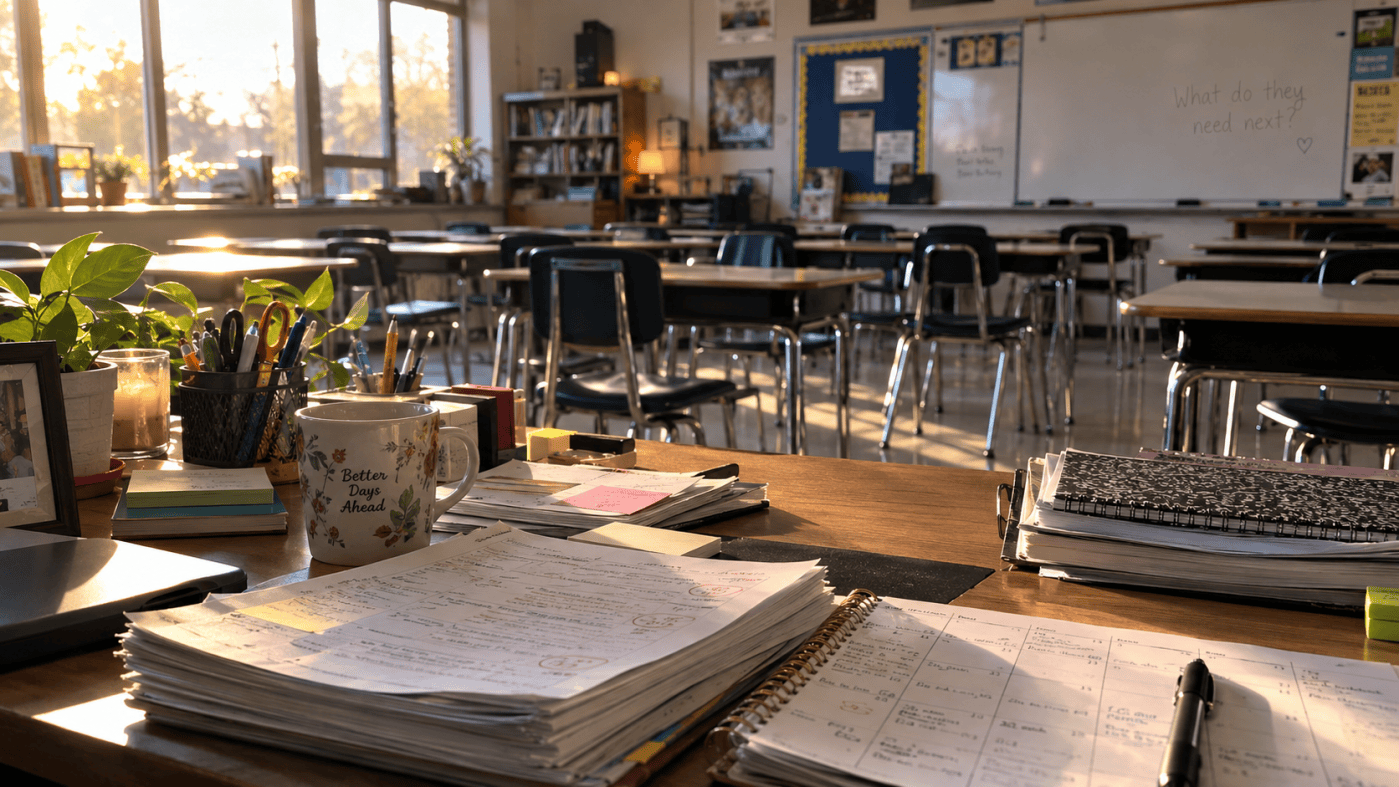
At some point, we have to ask the question honestly:
How long can we keep blaming COVID?
Now, let me be clear. COVID absolutely impacted education. Students missed instruction. Routines were interrupted. Attendance changed. Families struggled. Teachers had to adjust overnight. Some students lost confidence, structure, and academic stamina.
So yes, COVID mattered.
But years later, many teachers are still seeing major learning gaps in reading, math, writing, problem-solving, focus, independence, and classroom behavior.
And the truth is, COVID may have started some of these gaps, but it cannot be the only explanation forever.
That is the part we need to talk about.
Some of what we are seeing now is connected to interrupted learning. But some of it is also connected to attendance, lack of practice, weak foundational skills, behavior challenges, too much screen time, curriculum pacing, inconsistent expectations, and students moving forward before they are truly ready.
In the classroom, teachers see it every day.
Students who struggle to multiply but are expected to solve multi-step problems.
Students who can follow along during a lesson but cannot complete the work independently.
Students who need more time, but the pacing guide says move on.
Students who are capable, but lack confidence and give up quickly.
Students who missed key building blocks and now feel like every new skill is too hard.
That is not just a COVID problem.
That is a systems problem.
And if we keep saying “COVID learning loss” without changing what we do next, then we are naming the problem without solving it.
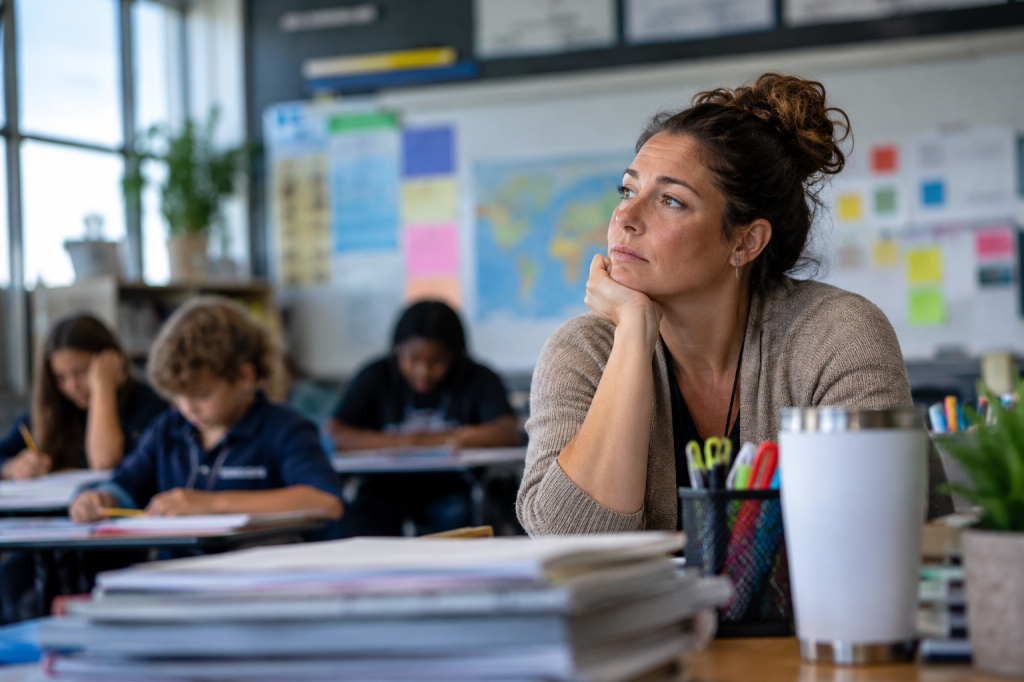
So what now?
First, we have to be honest about where students are. Not where the curriculum says they should be. Not where the pacing calendar says they should be. Where they actually are.
That means using data, yes, but also using teacher observation. Teachers know when students are missing foundations. They know when students need more modeling, more practice, more vocabulary support, or more time in small group.
Second, we have to stop acting like remediation is a quick fix.
Learning gaps do not close because we gave one review worksheet or one intervention day. Students need consistent support, intentional practice, and repeated opportunities to build confidence.
That may look like spiraled review, small groups, tutoring, targeted warm-ups, classroom routines, skill checks, and realistic reteaching plans.
Third, we have to rebuild student stamina.
Some students are not just behind academically. They are struggling to stay focused, think through hard problems, work independently, and keep going when something feels difficult. That matters.
Part of closing learning gaps is helping students rebuild the habits of learning: trying, revising, asking questions, showing work, practicing, and not quitting after the first mistake.
Fourth, we have to stop putting all of this on teachers alone.
Teachers are important, but teachers cannot close years of gaps without support. Schools need strong intervention systems. Parents need to be part of the conversation. Students need to take ownership. Districts need to give teachers time, resources, and flexibility to respond to real needs.
Because telling teachers to “close the gaps” while also rushing through new content is not a plan.
It is pressure.
The goal should not be to keep blaming COVID.
The goal should be to understand what COVID exposed.
It exposed gaps in access.
It exposed gaps in support.
It exposed gaps in foundational skills.
It exposed gaps in student independence.
It exposed how much schools depend on consistency, structure, relationships, and time.
Now the question is: what are we going to do with what we know?
Because our students do not need us to keep pointing backward forever.
They need us to look at where they are now and build a realistic path forward.
That does not mean lowering expectations.
It means being honest enough to meet students where they are and skilled enough to move them forward.
COVID may be part of the story.
But it cannot be the whole story forever.
At some point, we have to stop asking, “What happened to these students?”
And start asking, “What do they need next?”
Let’s Talk
What learning gaps are you still seeing in your classroom?
Do you think schools are giving teachers enough time and support to close those gaps?
What is one strategy that has actually helped your students move forward?


Leave a Reply