
How did the profession that helps build every other profession become the one people feel most comfortable disrespecting?
Doctors sat in classrooms.
Lawyers sat in classrooms.
Engineers, entrepreneurs, actors, professors, nurses, and leaders all sat in classrooms.
Before they became who they are, someone taught them how to read, write, think, problem-solve, communicate, and believe in their potential.
That someone was often a teacher.
So how did teaching become the profession expected to absorb everything?
The blame.
The pressure.
The criticism.
The behavior issues.
The learning gaps.
The unrealistic expectations.
And still, somehow, teachers are expected to smile, stay positive, and make it all work.
Let’s be clear. Teachers are not asking to be worshipped. Most educators are not looking for applause every time they create a lesson, answer an email, calm a student down, contact a parent, or stay late helping a child understand.
But teachers are asking to be respected.
And there is a difference.
Teaching is one of the few professions where almost everyone feels qualified to tell professionals how to do their job. Because people went to school, they assume they fully understand what it means to teach.
But being a student in a classroom is not the same as being responsible for running one.
Teaching is not just standing in front of students and giving directions.
It is managing personalities, planning instruction, adjusting lessons, supporting struggling learners, documenting concerns, building relationships, answering emails, preparing for assessments, and trying to meet the needs of students who walk in with very different stories.
It is knowing when to push, when to pause, when to correct, and when to connect.
And when something goes wrong, the blame often lands on teachers first.
Low scores? Look at the teacher.
Missing work? Ask the teacher.
Student behavior? What did the teacher do?
Lack of motivation? The teacher should make it more engaging.
Learning gaps? The teacher needs to close them.
But student success is not shaped by one person alone.
Teachers matter deeply, but they are not the only factor. Attendance matters. Home support matters. Curriculum matters. Behavior systems matter. School leadership matters. Community support matters. Student effort matters.
So yes, hold teachers accountable.
Students deserve effective teachers. Families deserve professionalism. Schools deserve educators who care, reflect, and grow.
But accountability should not equal disrespect.
Holding teachers accountable should not mean treating them like they are disposable. It should not mean brushing off their concerns as complaining. It should not mean expecting them to carry impossible workloads simply because “that’s part of the job.”
Teachers are professionals.
Their voices should matter.
When teachers say a curriculum is not landing, listen.
When teachers say students need more time, listen.
When teachers say behavior systems are not working, listen.
When teachers say the workload is not sustainable, listen.
That is not negativity. That is classroom reality.
And here is the part many people miss: teaching is emotional work.
Teachers carry more than lesson plans. They carry stories.
They notice the student who has gone quiet. They worry about the child who stopped turning in work. They replay the conversation that did not go well. They buy supplies. They answer messages after hours. They celebrate small wins that nobody else sees.
Then they come back the next day and do it again.
That deserves more than a cute mug during Teacher Appreciation Week.
It deserves real respect.
Real respect looks like listening before decisions are made.
It looks like protecting planning time.
It looks like supporting classroom behavior systems.
It looks like giving teachers useful resources, not just more requirements.
It looks like trusting professional judgment.
It looks like speaking about educators with dignity, especially in front of children.
Because when society disrespects teachers, students hear it.
And when students hear that teachers do not matter, it becomes easier for them to treat the classroom like it does not matter either.
That affects learning.
That affects behavior.
That affects school culture.
And eventually, it affects whether good teachers stay.
When good teachers leave, schools do not just lose employees. Students lose consistency, experience, mentorship, and stability.
Teaching is not easy work.
It is heart work.
It is skill work.
It is leadership work.
It is legacy work.
So maybe the question is not just, “How did teaching become the doormat profession?”
Maybe the better question is:
How long are we going to keep treating the profession that builds every other profession like it is the easiest one to dismiss?
Teachers are not asking for perfection.
They are asking for partnership.
They are not asking to be praised every day.
They are asking to be heard.
They are not asking to be worshipped.
They are asking to be respected.
And honestly, that should not be too much to ask.
Join the Conversation
What is one thing you wish people understood about teaching?
When did you first feel like the profession was being treated like a doormat?
And what would real respect for educators look like to you?
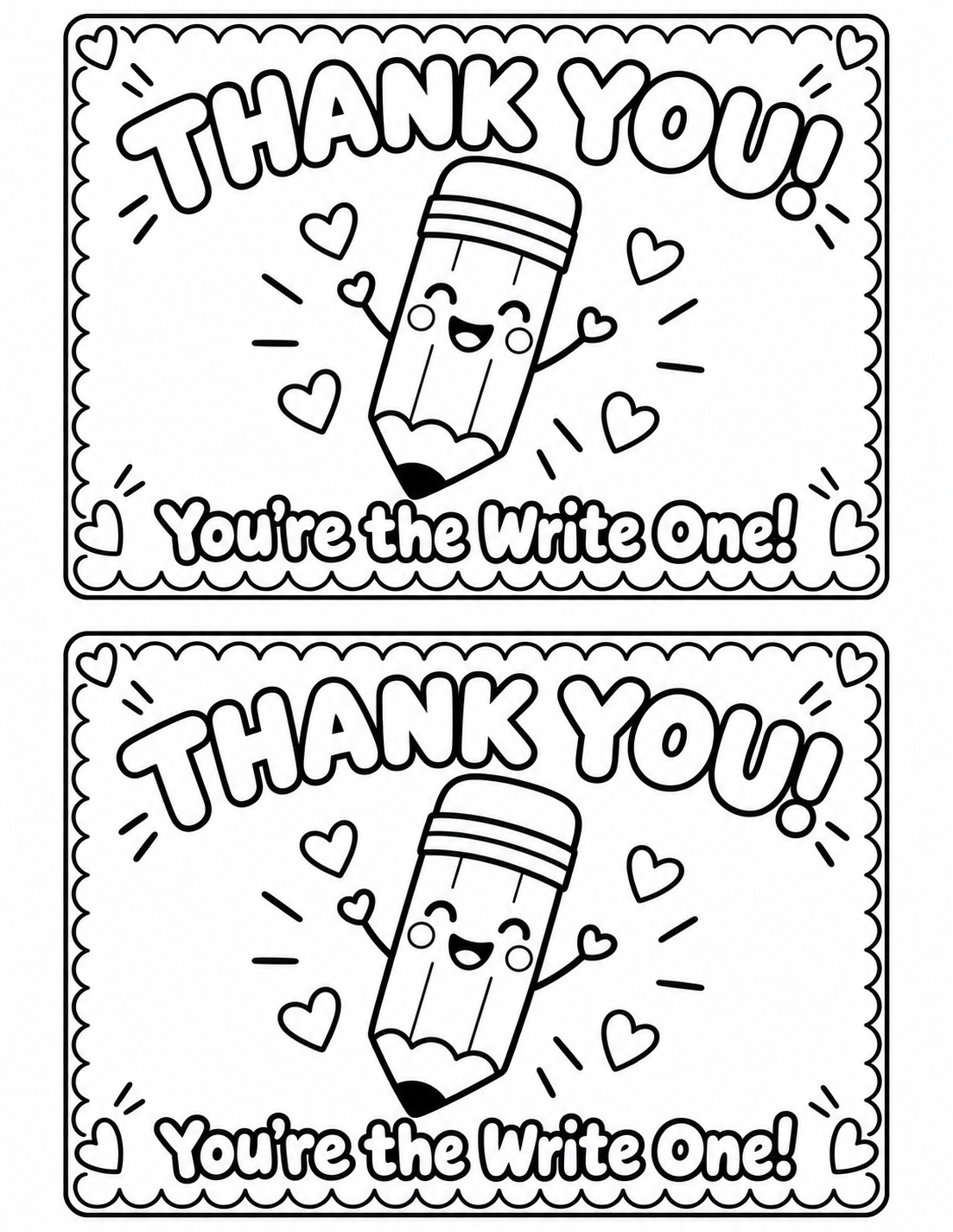
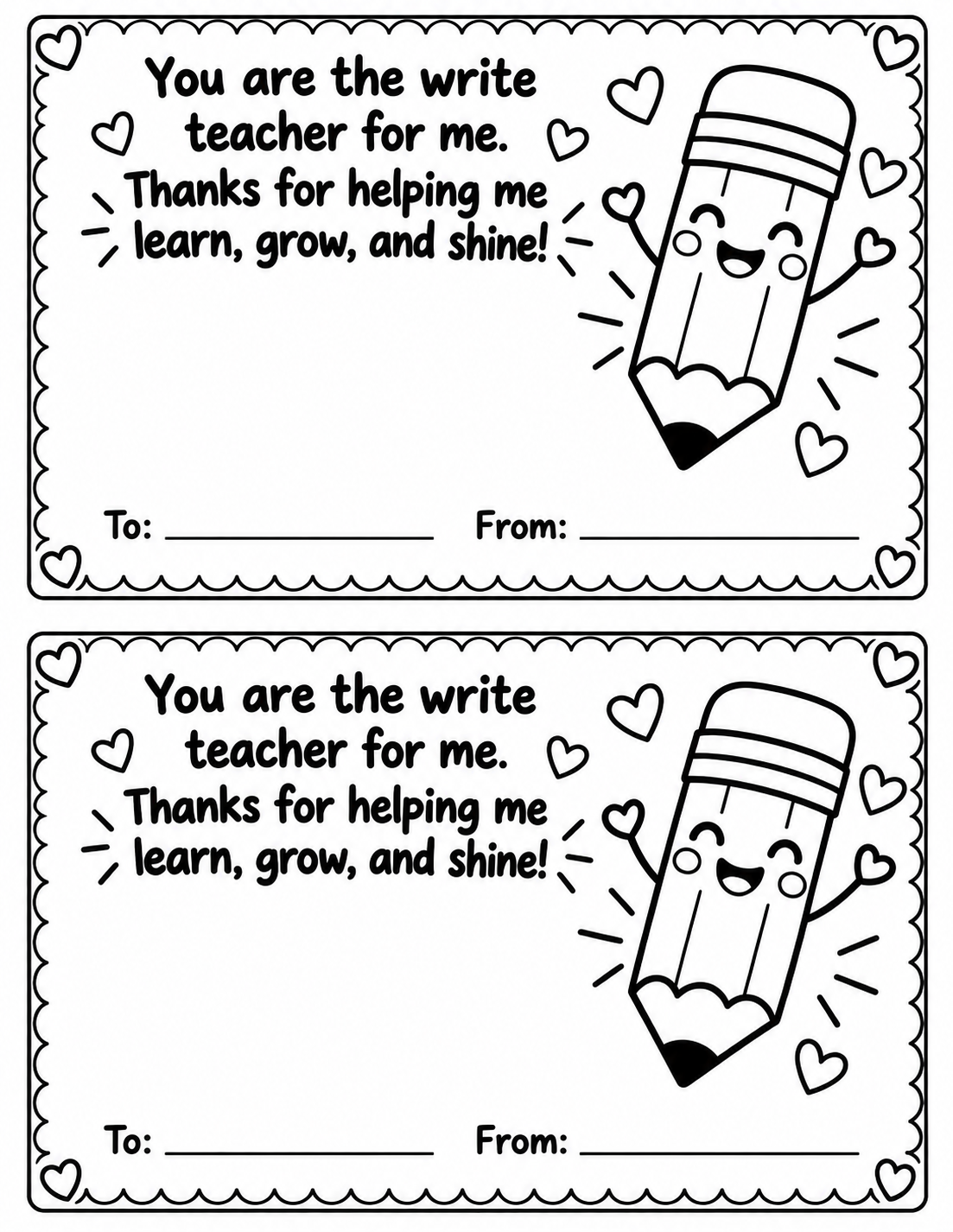
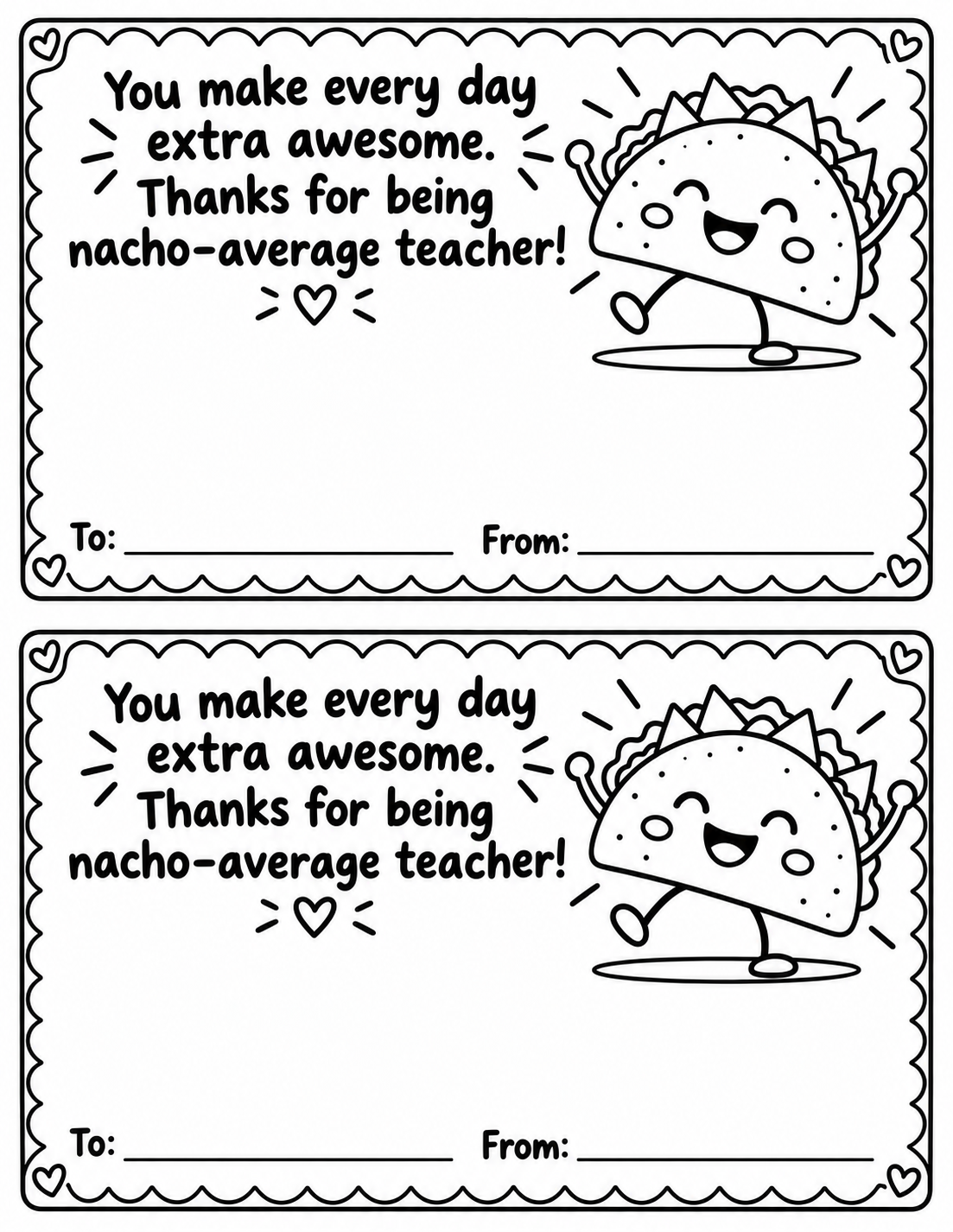
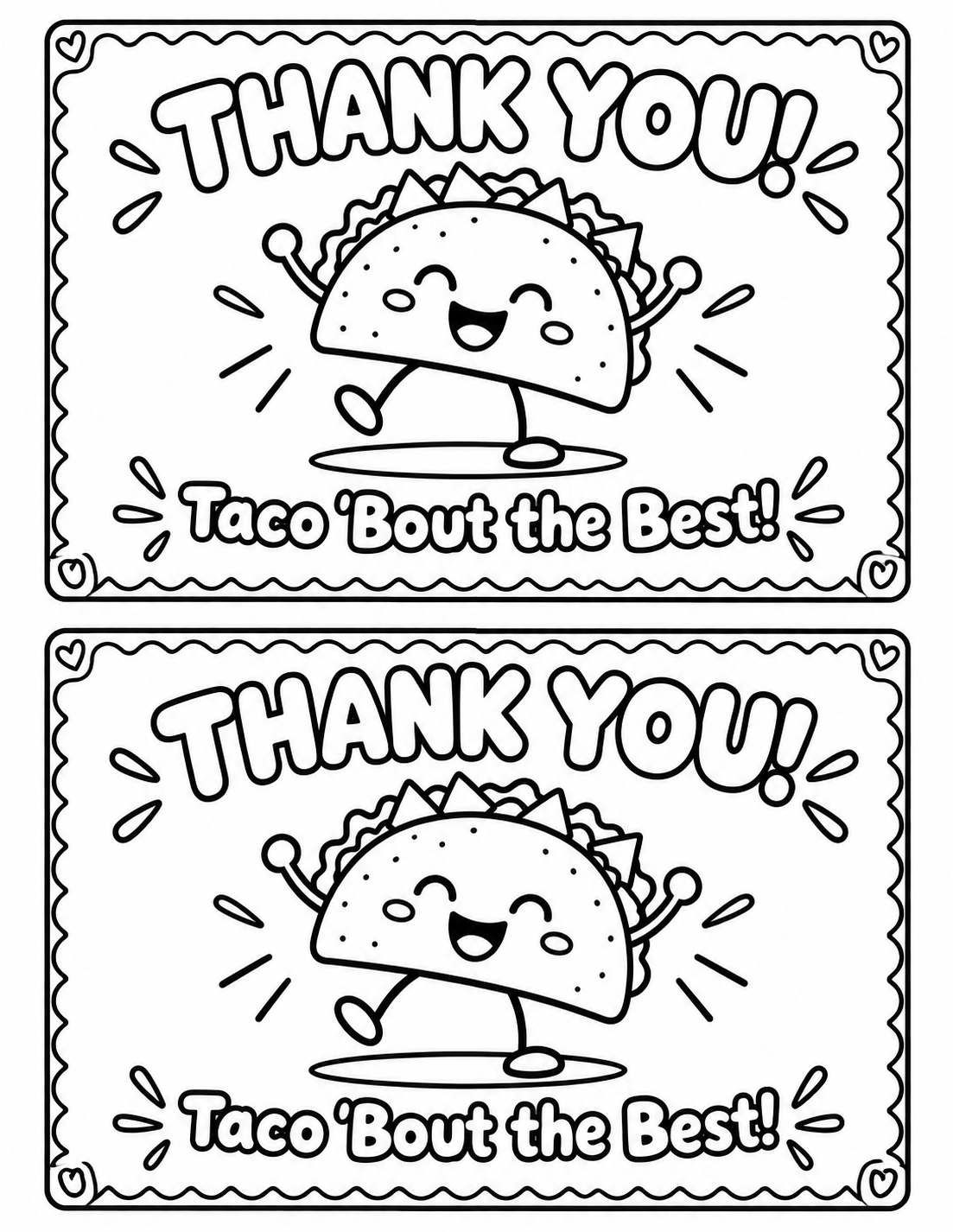
Teacher Appreciation Cards


Leave a comment