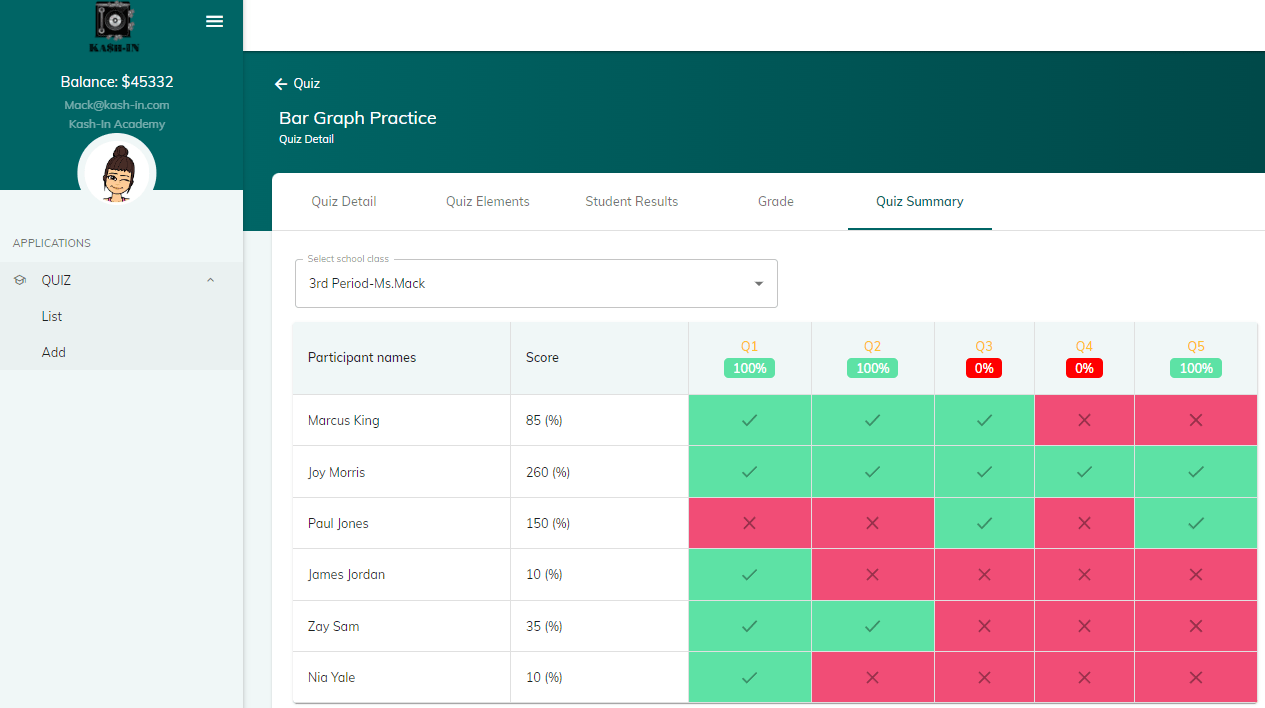
Kash-In and edtech like it, can help with the state of education.

We know the state of education has changed, almost right in front of our eyes. Education, post Covid, has not been the same. From extreme learning gaps among students, teacher workloads, and lack of student engagement.
Education technology has the potential to make a significant contribution to improving the state of education. The Modern Scholars say these challenges and wanted to do something about it. Which is why Kash-In and Kash-In Academy were created.
Kash-In/Kash-In Academy is a classroom management and learning platform that pays students to learn. Kash-In updates learning platforms by allowing teachers to monetize lessons, educational videos, quizzes, and classroom behaviors to award students with digital ‘kash’. Just like a real bank account kash is deposited into student’s accounts for positive behavior and correct responses. Students can use kash to purchase incentives from online stores created by teachers and schools.
Here are some ways in which Kash-In is helping teachers and students everywhere: can help:
- Personalized learning: Kash-In can help teachers deliver personalized learning experiences to their students, which can lead to improved academic outcomes. Teachers can assign quizzes and lessons to classes as well as individual students for more focus learning and intervention.
- Access to resources: Kash-In can provide students with access to educational resources that may not be available in their classrooms or schools. Also, allows teachers to use a flipped classroom methods to provide additional support to students. t This can help bridge the digital divide and ensure that all students have access to quality education.
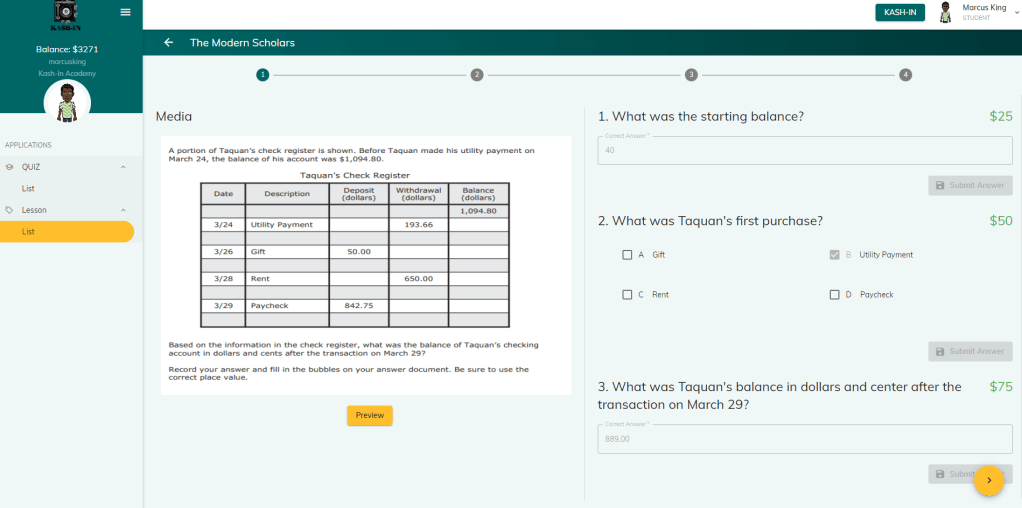
- Collaboration: Kash-In can facilitate collaboration between students, teachers, and even across schools or countries. This can help students develop important skills such as communication, critical thinking, and problem-solving.
- Assessment and feedback: Kash-In can provide teachers with tools for assessing student learning and providing feedback in real-time. This can help teachers identify areas where students may be struggling and adjust their instruction accordingly. Through the use edtech tools can analyze student data to identify learning gaps and tailor instruction to meet the individual needs of each student.
While edtech is not a panacea for the challenges facing education, it has the potential to play a significant role in improving the state of education. However, it is important to ensure that edtech tools are used in a way that enhances, rather than replaces, the role of teachers and that they are accessible to all students, regardless of their background or socioeconomic status.
 Educators HQ